Collin Square, TX · Collin County
Black Mold Remediation & Removal in Collin Square, TXMoisture Control Consultation & Mold Containment Procedures
A typical black mold remediation & removal project in Collin Square starts with black mold inspection, mold containment procedures, and antimicrobial treatment for mold remediation.
Answered 24/7
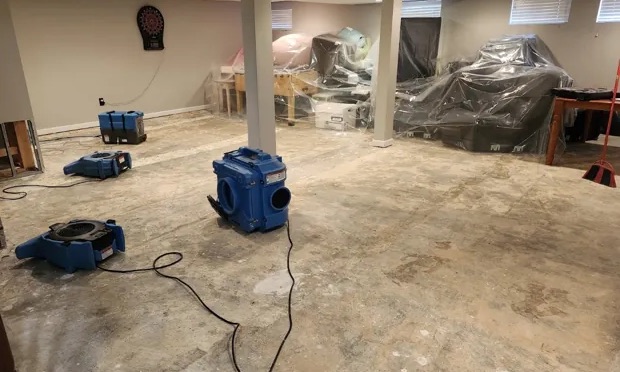
Professional Black Mold Remediation & Removal in Collin Square, TX
Toxic mold removal in Collin Square protects both property value and occupant health. Delaying action can increase mold remediation cost due to expanded damage, making early work by mold removal experts a wise investment.
Black mold remediation and removal for properties in Collin Square and nearby places like Celina, Cypress Meadows and Fairview addresses localized moisture issues that foster toxic mold. The process includes HEPA vacuuming and antimicrobial treatment.
Comprehensive Black Mold Remediation & Removal for Collin Square
Moisture Control Consultation
An inspection by the pros evaluates air quality and surfaces to create a targeted remediation plan, addressing both visible colonies and airborne spores.
Mold Containment Procedures
Containment keeps spores out of clean areas of the home during removal.
Post Remediation Verification
A final verification step provides documentation that the remediation process has been successfully concluded. This assessment checks that all agreed-upon work has been completed to standard.
Mold-Contaminated Material Removal
Porous materials like drywall, insulation, and carpeting that are heavily contaminated with black mold are typically removed and discarded. This removes most of the mold.
Antimicrobial Treatment for Mold Remediation
Antimicrobial application is a common follow-up treatment in the mold remediation process. It is used on the structural surfaces that remain after contaminated materials have been taken out.
Warning Signs You Need Black Mold Remediation & Removal
Warped or Stained Drywall
Discoloration, bulging, or softening of drywall or ceiling materials points to moisture damage and likely mold contamination.
Unexplained Health Symptoms
Allergy-like symptoms such as coughing, sneezing, or itchy eyes that worsen inside your home can indicate poor air quality from mold spores.
Chronic Allergy Flare-Ups
Household members experiencing persistent respiratory issues at home may be reacting to mold spores circulating in the air.
Mold Recurrence After Cleaning
If mold returns quickly after you clean it, the moisture source was never fixed.
How Black Mold Remediation & Removal Works in Collin Square
Step 1: Assessment and Action Plan
The service starts with a professional mold inspection to identify all growth and moisture issues, forming the blueprint for the entire mold remediation project.
Step 2: Establishing a Controlled Environment
To safely perform toxic mold removal, pros set up containment with negative air pressure and run industrial air scrubbers to protect the property's air quality.
Step 3: Eradication and Deep Cleaning
Mold-contaminated material removal is performed for porous items. Remaining structures are cleaned with HEPA vacuums and treated with antimicrobial agents.
Step 4: Validation and Preventive Advice
Post remediation verification, including possible air quality testing, confirms the cleanup. The pros also help fix the moisture cause.
Primary Causes of Black Mold Damage in Collin Square
Flooding From Storms or Appliances
Major water intrusion from storms or appliance failures soaks building materials. Prompt water extraction and drying help keep mold from starting.
Landscaping and Grading Issues
Soil sloping toward the foundation or dense planting against walls directs water into the structure, a key factor for mold prevention failure.
Poor Bathroom Ventilation
Inadequate exhaust fans allow steam from showers to saturate walls and ceilings, creating a perfect habitat for black mold growth.
Improperly Dried Water Damage
Incomplete drying after a leak or flood leaves moisture in materials, and mold follows.
Both Residential & Commercial Black Mold Remediation & Removal in Collin Square
Residential Black Mold Remediation & Removal
The experts use containment and HEPA vacuuming to protect your family's health and home structure during the mold remediation process.
Commercial Black Mold Remediation & Removal
For businesses, mold can disrupt operations, damage inventory, and affect employee health and customer perception. Containment separates affected spaces, and air scrubbing filters airborne particles during remediation.
When to Handle Mold Yourself vs. Call Mold Removal Experts
If mold returns or covers more than a few square feet, call the experts for a professional mold remediation assessment to identify moisture sources and plan the work.
Understanding Black Mold Remediation & Removal Cost in Collin Square
The complexity of containment procedures, necessary to prevent cross-contamination during the mold abatement process, significantly influences overall service pricing due to labor, material, and equipment setup time.
Accessibility Challenges
Mold in tight crawl spaces, behind finished walls, or in high attics requires more labor-intensive demolition and drying efforts.
Air Scrubber Requirements
The number and size of HEPA filtration units needed to clean the air during the mold remediation process influence equipment fees.
Extent of Contamination
The square footage of mold growth and whether it's surface-level or deep within structural materials dictates labor and material scope.
Does Insurance Cover Black Mold Remediation & Removal?
Homeowners insurance may cover black mold removal if it results from a sudden, covered event like a burst pipe. The experts document the damage with photos and moisture readings; your insurer decides coverage.
Why Choose Local Experts for Black Mold Remediation & Removal in Collin Square
Moisture Source Identification
Fixing the water problem, like a leak or condensation, keeps mold from returning.
Industry-Standard Remediation Methods
Containment, removal and cleaning take out mold colonies and help prevent regrowth.
24/7 Emergency Mold Response
An assessment of visible black mold examines moisture sources and affected materials to guide containment and removal.
Urgent Black Mold Remediation & Removal Available in Collin Square
Discover suspicious black mold growth? Spores can spread quickly. For assessment and containment by the pros, call (469) 472-5707 for 24/7 emergency service in the Collin Square area.
Call Now (469) 472-5707Black Mold Remediation & Removal Throughout the Collin Square Region
Each place listed below has its own page with local details.
- Black Mold Remediation & Removal in Cypress Meadows
- Black Mold Remediation & Removal in Fairview
- Black Mold Remediation & Removal in Forest Grove
- Black Mold Remediation & Removal in Frisco
- Black Mold Remediation & Removal in Addison
- Black Mold Remediation & Removal in Allen Heritage Village
- Black Mold Remediation & Removal in Allen Station
- Black Mold Remediation & Removal in Bethany Creek Falls
Common Black Mold Remediation & Removal Questions Answered
What are the signs of a black mold problem?
Visible black or dark greenish mold, a persistent musty odor, and unexplained allergic symptoms or health issues among occupants can indicate a mold issue.
What equipment is used for mold damage restoration?
Pros use containment barriers and negative air machines, HEPA vacuums and air scrubbers, personal protective equipment, tools for controlled demolition, moisture meters for detection, and antimicrobial spraying equipment.
What health risks are associated with black mold?
Exposure to Stachybotrys spores can trigger allergic reactions, respiratory irritation, and worsen asthma, especially in sensitive individuals or with prolonged exposure.
What does mold containment procedures involve?
It involves sealing the work area with plastic sheeting and using negative air pressure with HEPA filters to prevent mold spores from spreading to clean zones.
What is post remediation verification?
It is a final step where independent air and surface samples are taken after cleanup to scientifically verify that mold spore counts are within acceptable limits.