Garland East, TX
Storm Damage Restoration in Garland East, TXEmergency Roof Tarping & Wind-Driven Rain Drying
Storm Damage Restoration in Garland East handles hail damage leak cleanup, wall cavity drying after storms and storm damage water extraction.
Answered 24/7
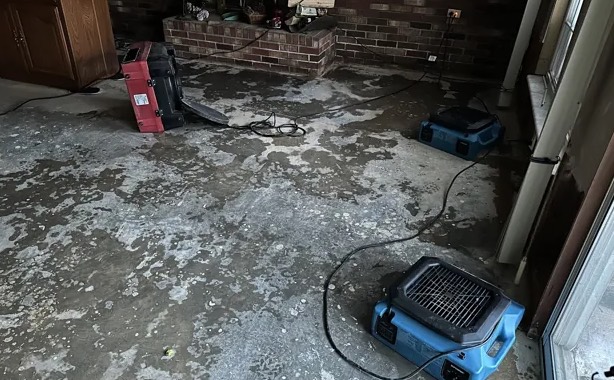
Help With Storm Damage in Garland East
Wind, hail and heavy rain each damage a home differently. Wind drives rain through gaps, hail cracks roofs and skylights, and heavy rain overwhelms gutters.
In the Garland East area, homes can get water inside after hail cracks a roof or skylight. The pros dry the attic and ceilings and note the damaged spots for the roofer.
Storm Damage Restoration Work in Garland East
Emergency Roof Tarping
Torn or missing roof sections are covered with a heavy tarp so no more rain reaches the attic while the inside is dried.
Wind-Driven Rain Drying
Wind-driven rain soaks the windward side of a house first. Drying focuses on those walls, the window sills and the carpet along them.
Storm Damage Water Extraction
After a storm, water is extracted room by room with pumps and extractors, starting with the areas where it is deepest.
Debris Removal After Storm
Wet debris left in a room keeps the space damp. Clearing it is the first step before the pros extract water and set up drying.
Wall Cavity Drying After Storms
When siding is torn or cracked in a storm, rain gets into the wall. The inside is dried while the outside is covered until it can be repaired.
Storm Damage Warning Signs in Garland East
Musty Smell After Heavy Rain
A damp smell that was not there before the storm usually means wet insulation, carpet pad or wall cavities.
Wet Attic Insulation
Damp or matted insulation in the attic after a storm means rain is getting past the roof deck.
Dented Vents and Skylights
Hail dents on roof vents, skylight frames or flashing can leave gaps where water gets in during the next storm.
Dripping From Light Fixtures
Water coming through a light or fan means it has pooled above the ceiling. Turn off that circuit and keep people clear.
How Storm Damage Restoration Works in Garland East
Step 1: Secure the Building
Broken windows and doors are boarded up and roof damage is tarped so no more rain gets in.
Step 2: Remove Debris
Mud, glass, branches and wet insulation that came inside are cleared so the floors and walls can be reached.
Step 3: Storm Damage Water Extraction
Water is removed from floors, carpet and under cabinets with pumps and extractors, starting where it is deepest.
Step 4: Dry and Monitor
Air movers and dehumidifiers run while the pros take daily readings, until walls and floors match dry areas.
How Storms Let Water Into Garland East Homes
Wind-Driven Rain
Strong winds push rain sideways into window frames, vents and siding joints that keep out normal rain.
Overflowing Gutters
Heavy rain can overflow clogged or undersized gutters, sending water down walls and toward the foundation.
Fallen Trees and Limbs
Branches and trees that fall on a house can open the roof or break windows, letting rain straight in.
Hail Impact
Hail cracks shingles, skylights and vent caps, opening small gaps that leak during the storms that follow.
Storm Cleanup for Garland East Homes and Commercial Buildings
Residential Storm Damage Restoration
When a storm opens a roof, water can reach the attic, the ceiling and the rooms below. The pros dry each level and point out wood that looks soft for the roofer.
Commercial Storm Damage Restoration
Flat commercial roofs can leak across a wide area during a storm. The pros remove wet ceiling tiles, extract the water and dry the space around business hours.
Storm Cleanup: DIY or Professional?
Keep receipts for tarps, plywood and any supplies you buy after the storm. Many policies cover reasonable steps taken to prevent more damage to the home.
Pricing Storm Damage Cleanup in Garland East
Repairs to the roof, windows and siding are separate from water removal. The pros price the board-up, extraction and drying inside the house.
Water Source
Rain coming through a roof is cleaner than floodwater from outside. Dirty water means more cleaning and removal of porous materials.
Rooms Affected
Each wet room needs extraction, drying equipment and moisture checks, so the number of rooms sets much of the cost.
Timing of the Work
Work during or right after a storm, at night or on a weekend, can carry a higher rate than scheduled work.
Does Insurance Cover Storm Damage Restoration?
Insurance may pay for board-up, tarping, extraction and drying after a covered storm. Your insurer decides what is covered, so check your policy and deductible.
What Local Pros Bring After a Storm in Garland East, TX
Hidden Water Found
Moisture meters and thermal cameras find water in walls, attics and under flooring that is not visible after a storm.
Openings Covered First
Board-up and tarping keep more rain out, so drying is not undone by the next storm.
24/7 Storm Help
Storms hit at night and on weekends. Help is available around the clock, so board-up and extraction can start once it is safe.
Around-the-Clock Storm Cleanup in Garland East
Storm damage in Garland East? Call (469) 472-5707 for emergency water extraction, removal of debris inside the home and drying, day or night.
Call Now (469) 472-5707Local Storm Damage Restoration Areas: Garland East and Beyond
Help with storm damage restoration is available across Garland East, including storm damage water extraction and wind-driven rain drying.
- Storm Damage Restoration in Addison
- Storm Damage Restoration in Celina
- Storm Damage Restoration in Coppell
- Storm Damage Restoration in Fairview North
- Storm Damage Restoration in Flower Mound
- Storm Damage Restoration in Frisco North
- Storm Damage Restoration in Frisco South
- Storm Damage Restoration in Garland West
Your Storm Damage Restoration Questions Answered
What does storm damage restoration cost?
It depends on how many rooms got wet, whether board-up and tarping are needed and how long drying takes. The pros price the job after seeing the damage.
How do the pros find water inside walls after a storm?
They use moisture meters and thermal cameras along exterior walls, under windows and in the attic to find water that is not visible.
Can hail damage cause leaks later?
Yes. Hail can crack shingles, skylights and vent caps, and those cracks may not leak until the next heavy rain.
What is emergency board-up?
Plywood is fastened over broken windows and doors so rain and wind stay out and the home is secure while it dries.
How soon should storm cleanup start?
As soon as it is safe. Wet drywall, carpet and insulation can start to grow mold in 24 to 48 hours, and open roofs and windows let in more rain.