Rowlett South, TX
HVAC Fire Damage Cleanup in Rowlett South, TXHVAC Soot & HVAC Filter Replacement
HVAC filter replacement, post-fire duct sanitization, and smoke odor neutralization are elements of HVAC Fire Damage Cleanup in Rowlett South.
Answered 24/7
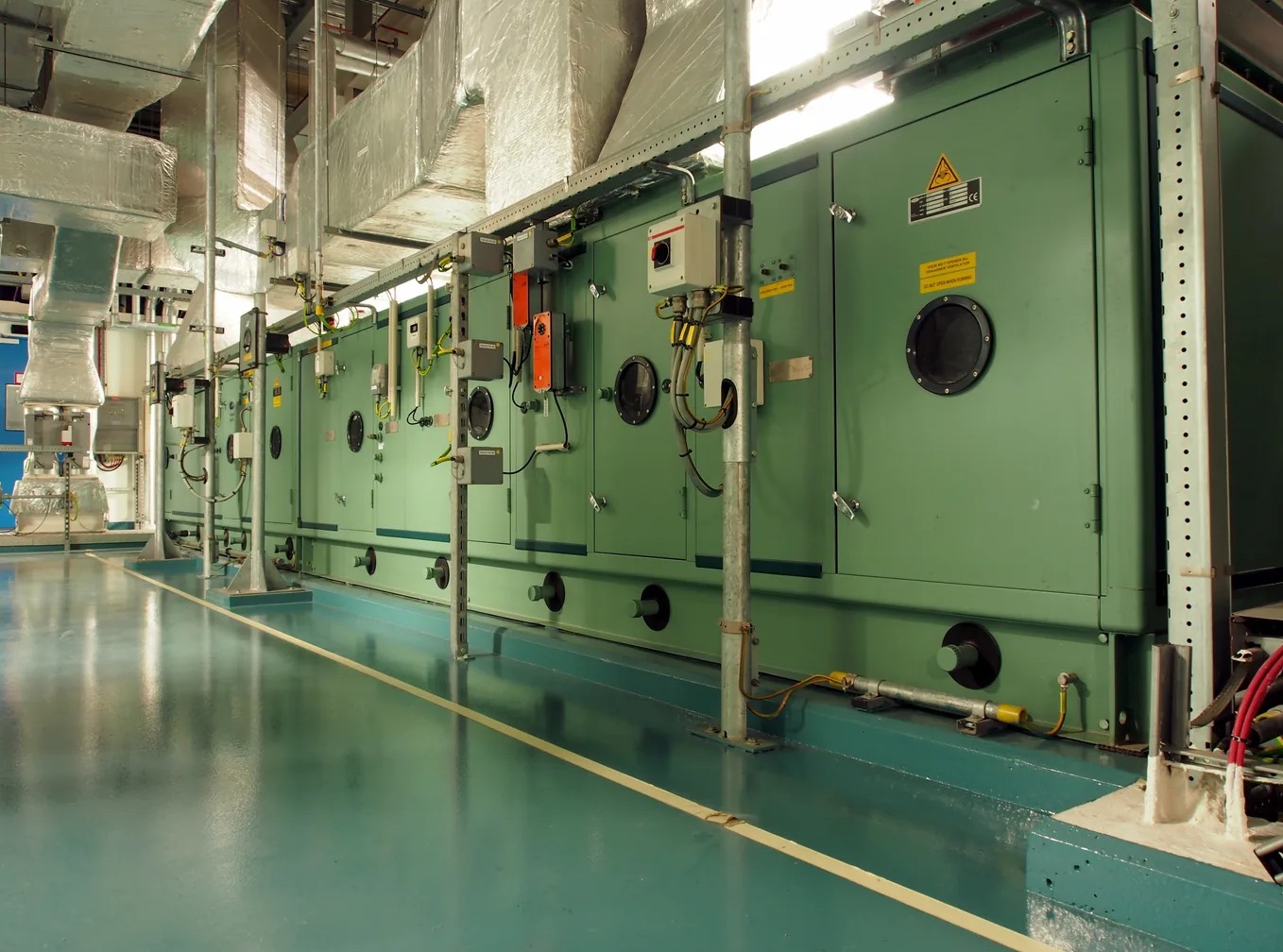
Trusted HVAC Fire Damage Cleanup in Rowlett South, Texas
HVAC fire damage cleanup is essential because soot and smoke residues can quickly spread through ducts, contaminating your entire home's air. This compromises safety and causes lingering odors.
Post-fire HVAC cleaning is critical for homes in the Rowlett South area. It often begins with an emergency system shutdown. Local duct cleaning experts then clean the blower motor, coils, and all vents to ensure safe operation.
The HVAC Fire Damage Cleanup Process in Rowlett South
HVAC Soot
Soot accumulation inside your HVAC system after a fire can cause operational issues and circulate contaminants. The experts perform a thorough removal of all fire-related debris from critical system parts.
HVAC Filter Replacement
Every HVAC filter needs replacement post-fire. This includes the main return and any secondary filters. Soot-loaded filters restrict airflow and strain the system.
Air Quality Testing Post-Cleanup
Air quality testing post-cleanup verifies HVAC restoration effectiveness. It measures particulate matter and VOCs to ensure acceptable ranges. This data confirms the system is clean for homeowners in Rowlett South.
Smoke Odor Neutralization
Smoke odor neutralization tackles persistent smells in ductwork. Deodorizing agents like oxidizing foggers alter odor molecules. This breaks down the smoky smell at its source for fresh air.
HVAC Fire Damage Cleanup
Professional cleanup prevents ongoing soot and odor circulation. The experts follow IICRC-standard methods for HVAC fire damage cleanup in Rowlett South. The process includes assessment and careful cleaning of ducts and components.
How to Know You Need HVAC Fire Damage Cleanup in Rowlett South
Reduced Airflow From HVAC Vents
Weak airflow can signal that fire debris is clogging your ductwork, blower motor, or air filters after an incident.
HVAC System Is Noisy or Struggling
Unusual sounds or strain from your HVAC unit may indicate soot buildup on critical components like the blower motor.
Activation of Smoke Alarms From HVAC
Smoke detectors triggering when the HVAC system turns on is a severe sign of active particulate circulation needing emergency cleaning.
Soot Buildup on Furnace or AC Coils
Visible soot accumulation on internal HVAC coils reduces efficiency and requires professional cleaning for fire damaged HVAC duct cleaning.
How HVAC Fire Damage Cleanup Works in Rowlett South
Step 1: Containment and Safety Setup
To prevent cross-contamination, work areas are sealed. This setup ensures that soot and debris disturbed during the fire damaged HVAC duct cleaning process are contained and safely removed from the property.
Step 2: Mechanical Agitation of Duct Surfaces
Specialized rotary brushes or air whips are used inside the ducts. This agitation loosens hardened soot from the metal surfaces, preparing it for extraction in the HVAC system restoration after fire.
Step 3: Odor Removal After Fire in HVAC
After physical cleaning, a focused smoke odor neutralization treatment is applied. This often involves sealing duct seams and using fogging or sealing techniques to encapsulate odor molecules.
Step 4: System Performance Check
Once cleaning is complete, the HVAC system is restarted and monitored. The goal is to confirm proper airflow and operation, ensuring the air duct smoke damage cleanup was successful.
How Fires Affect HVAC Systems in Rowlett South
House Fire or Kitchen Fire
A primary structure fire forces massive amounts of soot, smoke, and chemical residues directly into the home's HVAC intake and ductwork.
Water and Chemical Residue From Firefighting
Water and fire retardant chemicals used to extinguish flames can mix with soot, creating a corrosive slurry inside air ducts.
Smoke Penetration Through HVAC Seams
Smoke particles are extremely fine and can infiltrate through small gaps and seams in ductwork, contaminating spaces between walls.
Thermal Expansion During the Fire
Intense heat can cause metal ductwork to expand and contract, potentially opening seams that allow soot to enter enclosed spaces.
HVAC Fire Damage Cleanup for Homes and Businesses in Rowlett South
Residential HVAC Fire Damage Cleanup
Residential HVAC filter replacement after a fire is just the first step. Soot adheres to duct walls and the blower. The specialists clean these components to prevent odor and corrosion.
Commercial HVAC Fire Damage Cleanup
In commercial settings, fire residues can compromise sensitive equipment and inventory. A complete HVAC decontamination after smoke protocol, including air quality testing, is essential for health standards compliance.
Hiring Duct Cleaning Experts for HVAC Fire Damage Cleanup in Rowlett South
Opening windows for ventilation can help dissipate some initial smoke odor. This does not address the source inside the ductwork. Persistent odor removal after fire needs specialized neutralization techniques from pros.
Pricing for HVAC Fire Damage Cleanup in Rowlett South
The pros assess the severity of fire damaged HVAC duct cleaning needed, which directly affects labor hours and material usage for decontamination.
Required Decontamination Steps
Projects needing full post-fire duct sanitization and smoke odor neutralization involve additional specialized equipment and cleaning agents.
Accessibility of Components
Easily accessed vents and a readily available air handler simplify the process of cleaning soot from vents and blower motors.
Filter and Part Replacement
The number of HVAC filters needing replacement and any components damaged by heat or soot impact material costs.
Does Insurance Cover HVAC Fire Damage Cleanup?
For HVAC decontamination after smoke, check the policy for smoke damage provisions. The specialists compile evidence, including air quality test results. Homeowners forward this to their insurer to determine benefits.
Advantages of Hiring Local Experts in Rowlett South
Post-Cleanup Air Quality Verification
Air quality testing post-cleanup provides tangible data that the HVAC system restoration after fire has achieved a healthier environment.
Thorough Vent and Register Cleaning
Focus on cleaning soot from vents ensures airflow pathways are clear and contaminants are removed from accessible surfaces.
Detailed System Assessment
Inspection covers all components, from vents to the blower motor, to plan an effective fire damaged HVAC duct cleaning strategy.
Around-the-Clock HVAC Fire Damage Cleanup in Rowlett South
For post-fire HVAC cleaning that begins with securing a system, immediate help is available. Call (469) 472-5707 to reach the experts for 24/7 emergency HVAC system shutdown and initial soot removal.
Call Now (469) 472-5707HVAC Fire Damage Cleanup Service Area Includes Rowlett South
The places below are also served, and each one has its own page.
- HVAC Fire Damage Cleanup in Addison
- HVAC Fire Damage Cleanup in Celina
- HVAC Fire Damage Cleanup in Coppell
- HVAC Fire Damage Cleanup in Fairview North
- HVAC Fire Damage Cleanup in Flower Mound
- HVAC Fire Damage Cleanup in Frisco North
- HVAC Fire Damage Cleanup in Frisco South
- HVAC Fire Damage Cleanup in Garland East
Frequently Asked Questions About HVAC Fire Damage Cleanup
Why is blower motor and coil cleaning necessary?
Soot can insulate and foul these critical components, reducing efficiency and potentially causing mechanical failure. Cleaning restores proper airflow and heat transfer.
How long does HVAC filter replacement after fire take?
Replacing filters is a quick task, but it is part of the full inspection and cleaning process. All system filters should be replaced as a first step in restoration.
Does vent cleaning for smoke damage replace filters?
Vent cleaning addresses the duct pathways, but HVAC filter replacement after fire is always required, as filters are clogged with soot and are a primary line of defense.
What is post-fire duct sanitization?
It is the application of EPA-registered antimicrobial agents inside the ductwork after cleaning to inhibit microbial growth that soot and moisture from firefighting can encourage.
How is odor removal after fire in HVAC achieved?
Specialized smoke odor neutralization techniques, such as sealing duct liners or using antimicrobial treatments and ozone, target odor molecules at their source within the HVAC system.