Plano North, TX
Floor Mold Removal in Plano North, TXFloor Mold Inspection & Concrete Slab Mold Mitigation
Reliable Floor Mold Removal in Plano North involves floor mold inspection, moldy subfloor removal, and hardwood floor mold removal.
Answered 24/7
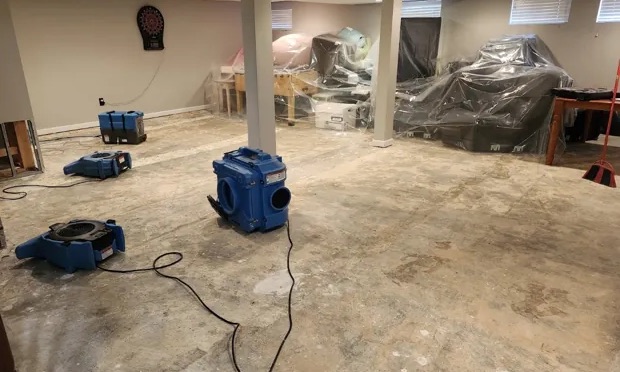
Professional Floor Mold Removal in Plano North, TX
Hardwood floor mold removal in Plano North preserves the integrity and appearance of valuable flooring materials. Mold spores on floor surfaces can quickly degrade finishes and wood fibers if not treated promptly.
For homes in the Plano North area, mold under floor removal is crucial to avoid extensive repairs. Local floor mold removal experts in Plano North offer concrete slab mold mitigation and emergency floor mold containment. Their work supports long-term property maintenance in the region.
Floor Mold Removal Scope of Work in Plano North
Floor Mold Inspection
This inspection in Plano North identifies the moisture source fueling the mold, which is crucial for designing an effective, lasting remediation strategy.
Concrete Slab Mold Mitigation
This service in Plano North may include installing or repairing a vapor barrier to block ground moisture from causing future mold issues on the slab.
Tile Grout Mold Cleanup
Local floor mold removal experts in Plano North use specialized grout cleaners and extraction tools to remove mold stains and biofilm from shower and kitchen floors.
Laminate Flooring Mold Treatment
The focus is on halting mold growth within the laminate's layers and preventing it from spreading to adjacent flooring through the locking system.
Hardwood Floor Mold Removal
For hardwood, the experts use gentle, targeted methods to lift mold stains and treat the wood without compromising its finish or structural integrity.
Warning Signs You Need Floor Mold Removal
Condensation on Floor Surfaces
Visible condensation or sweating on cold floors like concrete slabs signals high humidity, a primary cause for mold under floor removal.
Warped or Buckling Floorboards
Hardwood or laminate planks that are cupping, buckling, or lifting often have moisture and mold damage underneath that needs assessment.
Visible Mold on Baseboards
Mold growth creeping up baseboards or walls from the floor junction is a clear sign the flooring mold treatment area is expanding.
Damp or Wet Flooring Feel
Flooring that feels persistently damp, cool, or spongy underfoot suggests moisture intrusion, creating ideal conditions for floor mold remediation.
How Floor Mold Removal Works in Plano North
Step 1: Comprehensive Mold Inspection Floor
The process starts with a professional inspection to identify all areas of mold growth, the type of flooring affected, and the underlying cause of the moisture.
Step 2: Containment and Safety Setup
Plastic sheeting seals doorways and vents. Professionals wear PPE and use negative air machines to contain mold spores on floor during the removal work.
Step 3: Affected Flooring Removal
Mold-damaged sections of flooring and subfloor are cut out and disposed of safely. This may involve carpet mold remediation or targeted hardwood floor mold removal.
Step 4: Drying, Cleaning, and Documentation
Industrial air movers and dehumidifiers dry the structure. All remaining surfaces are cleaned. Pros document the process with photos for your insurance review.
What Leads to Mold on Floors
Flooding and Spill Incidents
Overflows from appliances, bathtubs, or external floodwater can soak into flooring materials, leading to rapid mold colonization if not dried quickly.
High Indoor Humidity Levels
Consistently high relative humidity, often from poor ventilation or AC issues, allows condensation to form on cooler floor surfaces, feeding mold.
Condensation From HVAC Systems
Improperly installed or insulated AC ductwork in floors or crawlspaces can cause condensation drip, directly wetting floor structures and insulation.
Slow Drying After Cleaning
Deep-cleaning carpets or mopping floors without adequate drying leaves residual moisture deep in padding or subflooring, inviting mold spores to grow.
Both Residential & Commercial Floor Mold Removal
Residential Floor Mold Removal
Effective floor mold removal safeguards a home's air quality and property value. The experts in Plano North deal with common residential issues like mold from a refrigerator leak under flooring or mold growth on sunroom tile due to condensation.
Commercial Floor Mold Removal
In commercial buildings, professional floor mold remediation is a key part of facility maintenance. Specialists address mold in entryway mats, under raised data floors, and in carpeted hallways, documenting all damage for the property manager's insurance claim review.
Professional Floor Mold Removal Over DIY Attempts
Improve ventilation with fans and a dehumidifier after a small spill. Dry visible surface water quickly. If a musty odor persists or mold under flooring is suspected, the experts should conduct an inspection.
Factors in Floor Mold Removal Pricing
Estimating floor mold removal cost in Plano North involves assessing mold damage restoration scope. The type of flooring, such as tile and grout or laminate, and whether flooring replacement after mold is needed, impacts the final service price.
Mold Species Present
Black mold on floor remediation often requires more stringent safety protocols and specialized antimicrobial treatments compared to common mold types.
Post-Remediation Verification
A final mold inspection floor clearance test, using air sampling, may be recommended to confirm successful mold spores on floor elimination.
Subfloor Condition
Moldy subfloor removal adds significant labor and material costs, especially if structural repairs or concrete slab mold mitigation are necessary after demolition.
Does Insurance Cover Floor Mold Removal?
Insurance for mold on floor removal hinges on the policy's mold endorsement and the cause. It often covers cleanup from a covered water loss. Local experts provide detailed damage documentation. Homeowners should confirm details with their insurer.
Why Choose Local Experts for Floor Mold Removal
Focused Subfloor Expertise
Local pros have specific experience with moldy subfloor removal and concrete slab mold mitigation, which are complex aspects of floor mold removal.
Material-Specific Treatment Protocols
Techniques differ for carpet mold remediation, tile and grout mold cleanup, and laminate flooring mold treatment to protect your flooring's integrity.
Documentation for Insurance
Detailed reports and photos of the mold damage restoration process are provided to support any potential insurance claim you file.
Urgent Floor Mold Removal When You Need It
When you find extensive mold on floor, especially after a water incident, time is of the essence. Call (469) 472-5707 for 24/7 emergency mold remediation pros who can begin containment and assessment.
Call Now (469) 472-5707Extended Floor Mold Removal Service Region
Other places served are listed below, each with its own page.
Essential Floor Mold Removal FAQ Guide
Can black mold on floor be completely removed?
Yes, with proper floor mold remediation protocols. This involves removing porous materials with deep growth, like affected carpet or subflooring, and cleaning non-porous surfaces with specialized antimicrobial agents.
Is it safe to stay home during floor mold cleanup?
For small, contained areas, it may be possible, but for extensive mold removal services, temporary relocation is often advised to avoid exposure to mold spores and cleaning chemicals.
What flooring is most resistant to mold growth?
Non-porous materials like ceramic tile, vinyl plank, and properly sealed concrete are most resistant. However, grout lines and subfloors beneath any flooring can still harbor mold if moisture is present.
What is involved in floor mold removal in Plano North?
The process includes a detailed mold inspection floor assessment, containment of the area, safe removal of contaminated materials like drywall or carpet, antimicrobial treatment, and thorough drying to prevent regrowth.
What precautions are taken for mold spores on floor during work?
The specialists use containment barriers, HEPA-filtered air scrubbers to capture airborne spores, and personal protective equipment to prevent cross-contamination and protect everyone's health.