Trusted by 193 + Homeowners
Reliable Water Damage Restoration Services in Charleston, South Carolina
Possible Causes of Water Damage in Charleston Homes
Water damage in Charleston can result from a variety of issues, including severe weather storms, heavy rainfall, or hurricanes that the area often experiences. These natural events can overwhelm drainage systems, leading to unexpected flooding in residential and commercial properties.
Additionally, plumbing failures such as burst pipes, leaking appliances, or malfunctioning water heaters are common causes of water intrusion. Over time, unnoticed leaks can cause significant damage, weakening structures and promoting the growth of mold and mildew if not addressed promptly.
How Our Experts Repair and Restore Water Damage
Our team begins with a thorough assessment of the affected areas to determine the extent of water intrusion and damage. We utilize advanced moisture detection technology to identify hidden moisture behind walls and beneath floors, ensuring nothing is overlooked.
Following assessment, we implement effective water removal methods, including industrial-grade pumps and vacuums, to extract standing water quickly. Once excess water is removed, our team dries the area using powerful air movers and dehumidifiers to prevent mold growth and preserve the integrity of your property.
We also handle cleaning and sanitizing surfaces affected by water, ensuring a safe environment. If necessary, our experts perform repairs such as replacing damaged drywall, flooring, or insulation, restoring your home or business to its pre-loss condition efficiently and professionally.
Why Choose Our Team for Water Damage Restoration in Charleston
Our experts have extensive experience in handling water damage situations specific to Charleston’s climate. We understand the unique challenges posed by weather-related flooding and plumbing failures, allowing us to respond swiftly and effectively.
We’re committed to providing exceptional customer service, which includes clear communication, transparent pricing, and timely responses. Our team is available 24/7, ensuring you don’t have to wait long when disaster strikes, and we prioritize minimizing further damage to your property.
Using state-of-the-art equipment and eco-friendly cleaning solutions, we ensure thorough restorations that promote a healthy indoor environment. Our local knowledge and dedication make us the trusted choice for water damage emergencies in the Charleston area.
Frequently Asked Questions
How quickly should I respond to water damage?
It’s crucial to act immediately after noticing water intrusion. Prompt response can significantly reduce the extent of damage, prevent mold growth, and limit repair costs. Our team can be on-site within hours to start the restoration process.
Will insurance cover water damage restoration?
In most cases, insurance policies cover water damage resulting from sudden and accidental causes, such as burst pipes or storm flooding. Contact our experts for assistance with documentation and navigating your insurance claim process.
How long does the water damage restoration process take?
The duration depends on the extent of the damage and the affected areas. Minor incidents may be resolved within a few days, while larger disasters could take a week or more. Our team will provide a clear estimate after assessment.
Can water damage lead to mold growth?
Yes, if water is not extracted and dried promptly, it creates an ideal environment for mold to develop. Our dehumidification and drying techniques are designed to prevent mold and ensure a safe, healthy space.
What should I do immediately after discovering water damage?
Turn off the water source if possible, and avoid appliances in the affected area. Contact our team immediately at (469) 472-5707 to ensure rapid response and minimize damage. Do not attempt to dry the area yourself, as improper techniques can cause further harm.
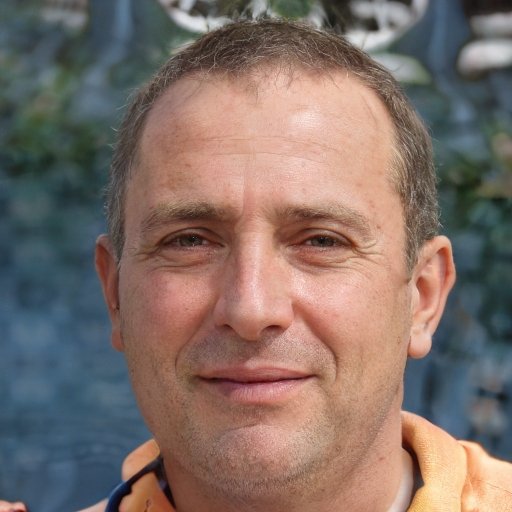
𝗕𝗲𝗿𝗻𝗮𝗿𝗱 𝗭𝗶𝗺𝗺𝗲𝗿 is a licensed Damage Restoration Expert with more than 20 years of experience supporting homeowners and businesses through water, fire, mold, and structural damage recovery.
𝗣𝗿𝗼𝗳𝗲𝘀𝘀𝗶𝗼𝗻𝗮𝗹 𝗘𝘅𝗽𝗲𝗿𝗶𝗲𝗻𝗰𝗲: With over two decades in the restoration field, Bernard has led complex residential and commercial projects, coordinated with insurance professionals, and ensured every restoration meets industry standards.
𝗖𝗲𝗿𝘁𝗶𝗳𝗶𝗰𝗮𝘁𝗶𝗼𝗻𝘀: He holds multiple IICRC certifications, including Water Damage Restoration, Mold Remediation, Structural Drying, Odor Control, and Fire and Smoke Restoration, demonstrating advanced technical expertise.
𝗟𝗶𝗰𝗲𝗻𝘀𝗶𝗻𝗴 & 𝗘𝗔𝗧: Fully licensed and committed to safety, ethics, and transparent communication.
𝗙𝗮𝘃𝗼𝗿𝗶𝘁𝗲 𝗣𝗮𝘀𝘁𝗶𝗺𝗲: Bernard enjoys woodworking and spending time outdoors.
𝗕𝗲𝘀𝘁 𝗣𝗮𝗿𝘁 𝗼𝗳 𝘁𝗵𝗲 𝗝𝗼𝗯: Helping clients restore confidence and peace of mind after property damage is what he values most.